The Habele Outer Island Education Fund has released its 2025 Annual Report, documenting a year of education, literacy, and cultural initiatives carried out in close partnership with Micronesian families, schools, and community organizations.
Founded in 2006 by former Peace Corps Volunteers who lived and taught in Micronesia, Habele works at the request of local partners to help students from remote islands and low-income households access stronger educational opportunities, while remaining connected to their communities and cultural traditions.
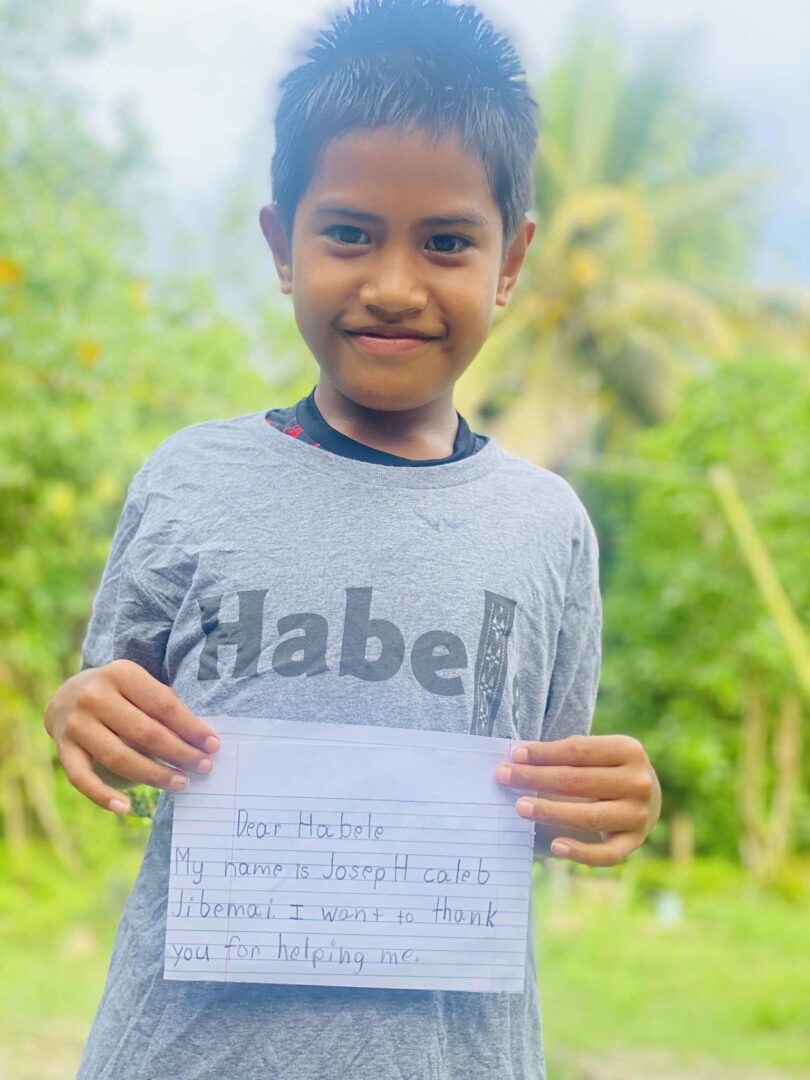
In 2025, Habele awarded 151 K–12 tuition scholarships to students attending Micronesia’s highest-performing independent schools. Priority was given to students from outer islands, rural villages, and low-income households, with particular attention to supporting girls. Most scholarships covered 50–75 percent of tuition, maintaining strong family investment while easing financial barriers. Since its founding, Habele has supported more than 300 Micronesian students through tuition assistance.
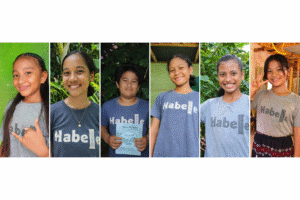 Literacy remained a major focus of the organization’s work. Through the Young Island Readers program, 9,597 new, age-appropriate books were delivered directly to young children across the islands in 2025. During the year, the program reached a public milestone when its 15,000th book was mailed to a child on Yap, reflecting the growing reach of early childhood reading efforts. Many participating children are receiving books addressed directly to them for the first time.
Habele also shipped 23 boxes of books and school supplies to schools and community libraries across Micronesia. On many remote islands, school libraries serve entire communities, making access to books and learning materials especially important.
The Annual Report highlights continued support for Micronesian Seminar (MicSem), whose internationally recognized library reopened to the public on Yap in 2025. Through direct pass-through funding, Habele supported preservation, staffing, digitization, and public access efforts, allowing MicSem to focus on documenting and sharing Micronesia’s social, cultural, and political history. The work was complimented by development of the Habele Institute research and reference site.
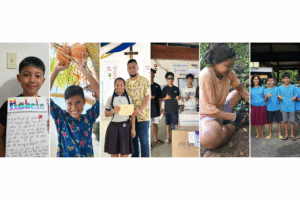 Support for cultural knowledge and traditional skills continued during the year. Habele provided 23 boxes of specialized tools and materials to traditional carvers, weavers, and navigators, including locally organized groups. To ensure long-term continuity, Habele has established a dedicated endowment fund to support traditional navigation and canoe carving, allowing master craftsmen to focus on teaching rather than fundraising.
In science and technology education, Habele provided support to a Micronesian high school robotics team as they represented the region at an international competition in Panama. The organization also began supporting school-based weather and environmental education projects that connect hands-on learning with locally relevant data.
Financially, the report notes that approximately $414,000 was invested during the year, with the large majority directed to scholarships, libraries, and early literacy programs. Administrative and compliance costs were held to about five percent, well below typical nonprofit averages. All current-year donations were directed fully to program delivery, while core administrative costs were covered by the organization’s endowment.
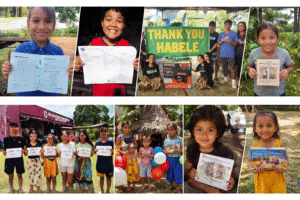
Nearly two decades after its first scholarship, Habele’s work continues to emphasize partnership, listening, and local leadership. The 2025 Annual Report reflects a model built on trust between Micronesian communities and supporters abroad, focused on practical results and long-term relationships rather than short-term projects.

